The use of Augmented Reality (AR) technologies in the classroom must be justified. They should provide a transformative function, adding/extending/bettering an experience or learning task rather than just supplying it (Tanner, Karas, & Schofield, 2014; Howe, McCredie, Robinson, & Grover, 2013). For example, supplying content from teacher to student through AR is not a transformative use of the technology as that feed of information can be provided through more logic platforms such as presentations on a whiteboard.
There are many digital spaces that use and facilitate the creation of AR experiences. Some are based in providing content/information/visuals (e.g. Civilisations AR – a bank of artifacts to explore), whilst others such as ZapWorks, allow development and sharing of knowledge and AR artifacts.

BBC Civilizations AR 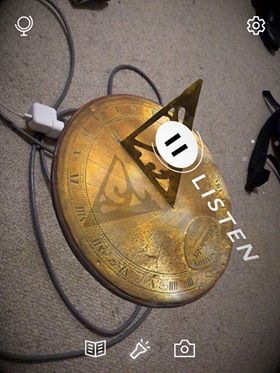
BBC Civilizations AR 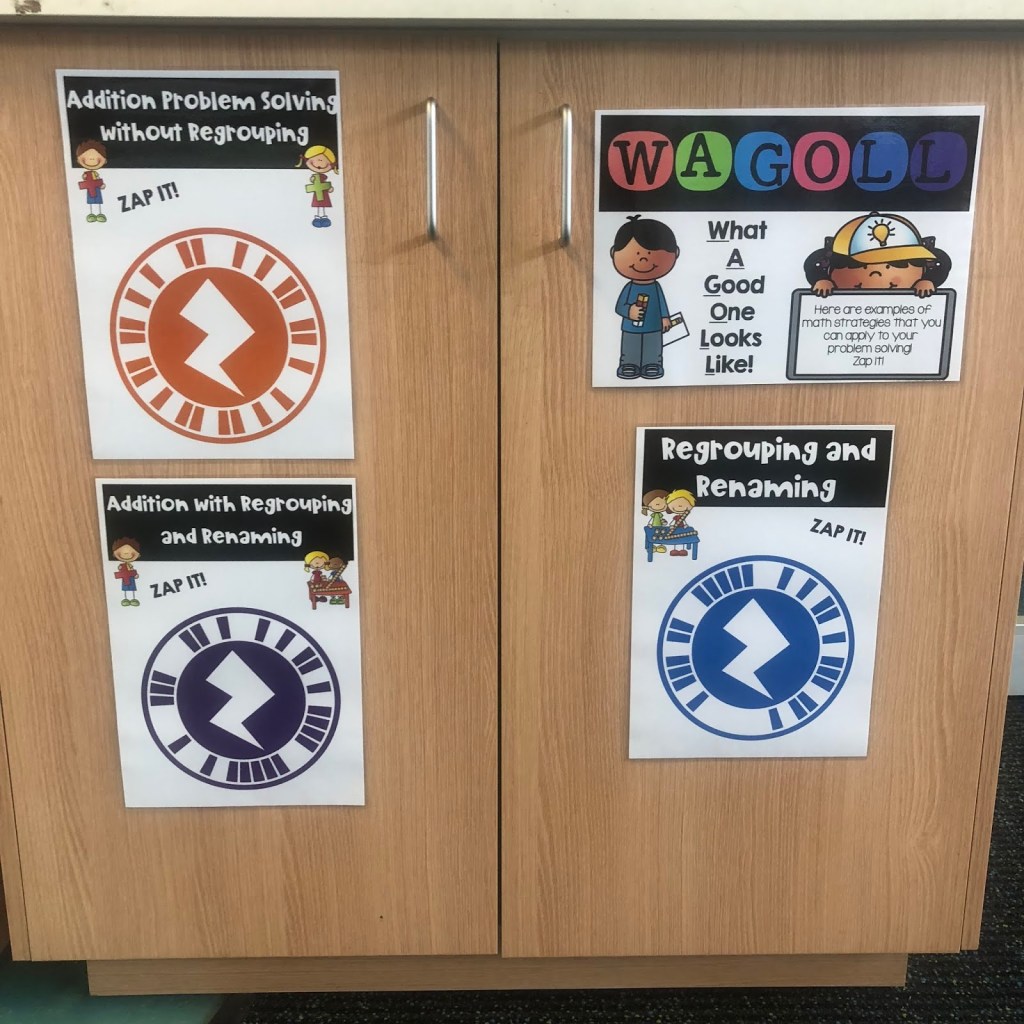
A teacher’s use of triggers in the classroom
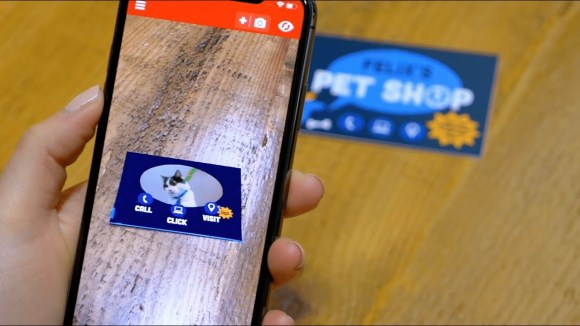
Many aspects of ZapWorks are complicated, and it was not built for classroom use. Creative, flexible and persistent learners and teachers will be able to access and work around these issues given adamant time and freedom to explore the workspace.
A large affordance lays in using ZapWorks for children to construct/display/present knowledge. Cost and associated allowances of subscription would have to be investigated to gage the viability of integration in the classroom. You can purchase 2 Educator + 15 Student licenses for $350/year, which is not a full class set for most classes. With a fee this high, the opportunities for use must be plentiful. Using ZapWorks Widget, users can create triggers which place an additional, augmented layer of text/image/etc to a space in the room. These could be used for vocabulary, revision, scavenger hunts and mapping knowledge and understanding (perhaps in review for a text). In a primary Year 6 classroom, this may look like students creating trigger points and allocating them a space in the classroom so that they can map out points for essay writing or a project. This supports the pedagogical practice of situated, hands on learning through anchoring virtual data on real objects in a manner that assists recall (Howe, McCredie, Robinson, & Grover, 2013; Tanner, Karas, & Schofield, 2014). When teachers approach AR creatively through divergent thinking – engagement and motivation of learners is positively impacted (Howe, McCredie, Robinson, & Grover, 2013; Tanner, Karas, & Schofield, 2014). Incorporating elements of situated, games-based and inquiry based learning to teaching and learning experiences with AR further ups the pedagogical relevance (Howe, McCredie, Robinson, & Grover, 2013; Tanner, Karas, & Schofield, 2014).
BOOSTING CREATIVITY POTENTIAL w/ ZapWorks
The most potential for creativity using emerging technologies is when students are placed in the designer chair. When students become the developers of AR experiences, they are able to develop their presentation and production skills, both valuable aspects of 21st Century capabilities. When directed and scaffolded in the right directions, students can develop a range of augmented experiences for a variety of uses. Some interesting ideas for classroom application is looking at designing a classroom, digital storytelling and creating a virtual museum (where students explain the history of people/art/events/artifacts).
References
Howe, C., McCredie, N., Robinson, A., & Grover, D. (2013). Augmented Reality in education – cases, places and potentials. Educational Media International, 51(1), 1-15. https://doi.org/10.1080/09523987.2014.889400
Tanner, P., Karas, C., & Schofield, D. (2014). Augmenting a Child’s Reality: Using Education Tablet Technology, Journal of Information Technology Education: Innovations in Practice, 13, 45-54. Available from: http://www.jite.org/documents/Vol13/JITEv13IIPp045-055Tanner0464.pdf
 Sophie's Blog